
Dimming
Date: August 1st
AKA: Lughnasadh, Hlæfæst, Freyfaxi, Lammas
This is a holiday to celebrate the first harvest of the season. While Lughnasadh (or Lammas) is Celtic in origin, it resonates well with Norse pagan values—harvest, sacrifice, community, and gratitude to land spirits, ancestors, and gods like Freyr, Sif, and the landvættir. We can adapt it into a Norse-style harvest festival with seasonal symbolism like the John Barleycorn effigy, which fits seamlessly with Norse ideas of sacrifice and rebirth. In addition, weaving together the Atheopagan concept of The Dimming (the slow waning of light after the solstice) with Norse pagan traditions for Lughnasadh can create a beautiful, symbolic harvest ritual that honors both the turning of the wheel and the old gods and spirits.
We prefer to use the Atheopagan name for this holiday. The celebration observed as “Freyfaxi” by some Heathens is not an ancient or traditional Heathen observance. The name “Freyfaxi” was given to this modern summer festival in the mid-1970s by Stephen McNallen of the Asatru Free Assembly (AFA) as an attempt to create a Heathen version of the Wiccan Wheel of the Year. Using the term risks giving undeserved legitimacy to, and may also implicitly support or legitimize, the AFA and Stephen McNallen, organizations that most in the Heathen community rightly find problematic.
Themes: Gratitude for the abundance of the land, sacrifice and renewal, community and celebration, and honoring the cyclical nature of life, death, and rebirth. It’s a time to appreciate the fruits of labor and prepare for the transition into autumn.
Correspondences
Life-Cycle: Middle Age
Deities: Freyr, Sif, Thor
Foods: Freshly baked bread, berries, roasted corn, and root vegetables
Drinks: Ales and beers, grain alcohol
Colors: Yellow, orange, brown, and green
I. Ritual: From Sun’s Peak to Shadow’s Edge
Frame your Dimming rite around this central idea:
“The sun that crowned the sky at Midsummer now wanes. The light begins to fade. The golden grain king, John Barleycorn, prepares to fall so that others may thrive. The world dims—but not in grief; in transformation.”
Opening
Hallow the space (e.g. with a hammer sign or sacred circle) and acknowledge the transition: “We stand between light and dark, harvest and hunger.”
Fire and Shadow: Candle Reversal Ritual
Gather three or more candles. Begin with all candles lit. Throughout the ritual, gradually snuff or dim them until only one flame remains, symbolizing the coming quiet and the preservation of inner fire.
Symbolically Honor the Deities and Spirits
- Freyr (god of fertility and peace): Offer mead or ale, fresh fruits, or bread to honor his role in agricultural abundance.
- Sif (golden-haired goddess of grain): Offer a bundle of wheat or create a small corn dolly in her honor.
- Landvættir: Leave offerings of butter, berries, milk, or bread near a tree or stone as thanks to the local spirits.
- Álfar (ancestor spirits): Leave a small portion of your meal or bread effigy on the ancestor focus or burial place.
Blót for The Dimming
Offer the Barleycorn bread, mead, herbs, or other first fruits to the fire or focus.
Speak thanks for what has grown and what has sustained your community and family.
Pour a libation of mead or ale onto the earth or fire.
Close with a toast: “To the Light that was! To the Harvest we hold! To the Dark that comes!”
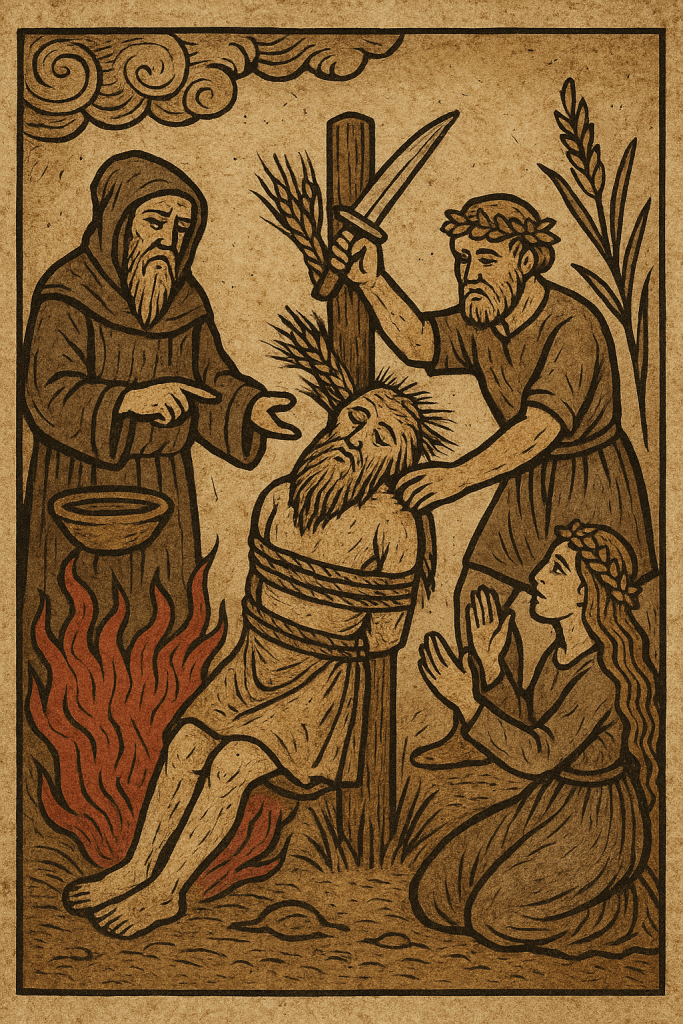
II. Norse-Inspired John Barleycorn Ritual (Bread Effigy)
John Barleycorn—personification of the grain spirit—is an archetype that echoes Norse themes of death and renewal. Here’s a grim but entertaining way to integrate him:
Make a Barleycorn Bread Effigy
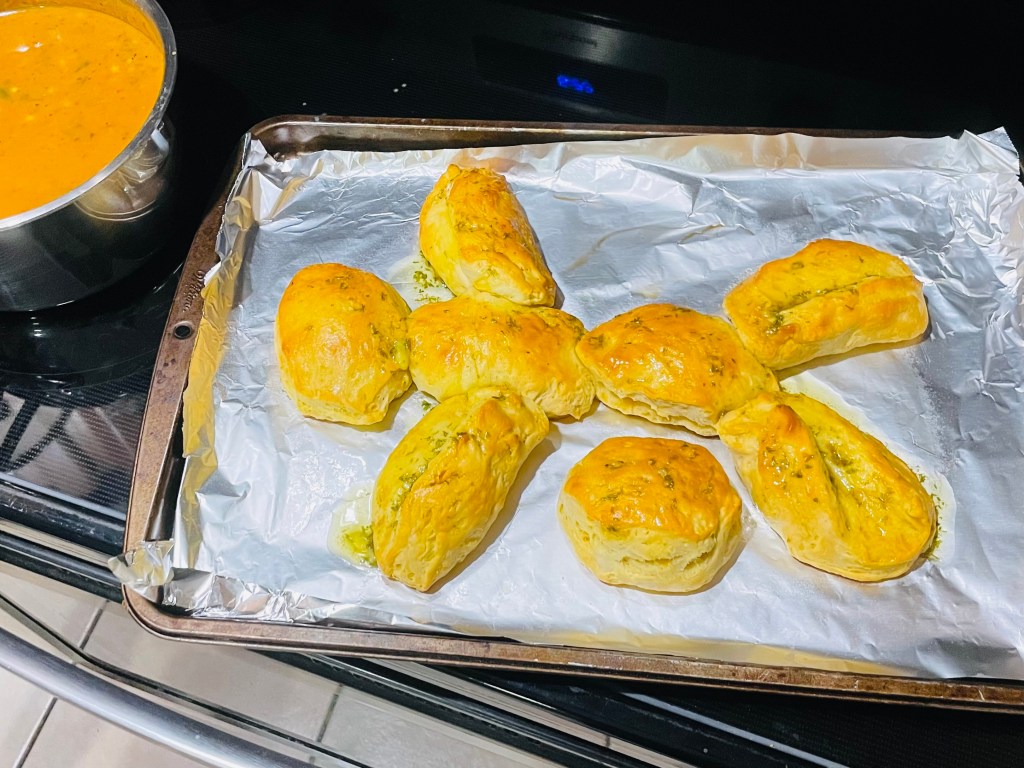
Bake a bread man (or woman) shaped like a crowned king (or even a sheaf or warrior). Decorate with seeds, grains, and herbs (like barley, wheat, thyme, rosemary, or even garlic).
Optionally give him a “sickle wound” as a symbol of the harvest cut or add a Jera rune (ᛃ) from the Old Norse word for “year” or “harvest,” signifying the completion of a cycle and the reaping of the fruits of one’s labor.
Offer Him in Ritual
Set the effigy on a focus with seasonal symbols (scythe, sheaf of grain, apples, mead).
Read or recite a tale or poem about the spirit of the grain dying to feed the people (you can adapt the John Barleycorn ballad or write a Norse-style kenning-laced version – see below).
Offer the Bread King to the Waning Light. Use the John Barleycorn bread effigy as a symbolic focal point.
- Burn, bury, or ceremonially eat the effigy during the ritual, mirroring the cycle of death and nourishment.
- Ritual action: At the height of the ritual, “sacrifice” the bread effigy—cut it or break it—naming this the turning point of the year.
- Say something like:
“The barley dies, so we may live. The sun fades, so we may rest. May we find wisdom in the dark, and sustenance in the fading light.”
- Eat or share the bread as a sacrament of transformation.
John Barleycorn: The Golden Sacrifice
(A Norse-Inspired Adaptation)

Three mighty men from Midgard’s fields
Went walking through the land,
With scythe and sickle in their hands
And purpose fierce and planned.
They swore an oath on stone and steel
To fell the Golden One—
To bind and break the barley-king,
The shining son of Sun.

They plowed the womb of Mother Earth,
Where Sif’s gold locks once lay,
And planted deep the seed of life
At dawn of sowing-day.
Freyr wept dew upon the field,
The elves gave root and care,
The land-wights danced in twilight hush—
A green-god sleeping there.

He rose with strength, a blade-bright boy,
A spear of stalk and grain,
With beard of wheat and sunlit crown,
He strode the summer plain.
The sickle came with whisper low,
A rune carved red with might—
They laid him down in field and flame,
And mourned him in the night.

They bound him up in earthen loaves,
They brewed him into cheer,
They sang to him in mead and malt
And drank him with the year.
His body fed the warrior’s feast,
His breath was in the ale—
Though slain, he rose in hearth and hall,
In song and harvest tale.

So hail to thee, O barley-lord,
Who falls and rises still,
Who sleeps beneath the plowed-black earth
And wakes upon the hill.
We honor you with loaf and horn,
With sacrifice and flame—
John Barleycorn, the golden king,
By many a hidden name.
III. Additional Activities
Arts and Crafts
- Make Corn Dollies in the shapes of gods or spirits.
- Weave wheat or oat straw into Norse knot designs or small runic charms.
- Carve or decorate harvest runes (like Jera for harvest, Ingwaz for fertility) on wood slices or stones.
Recreation
- Feast outdoors if possible, sharing foods from local harvests.
- Storytelling or poetry: Share myths, kennings, or songs about growth, sacrifice, and the land.
- Games or friendly contests in honor of early harvest festivals (akin to Icelandic glíma or strength challenges).
- Shadow Walk: Take a walk at twilight after your ritual. Observe how the shadows lengthen, how plants go to seed, and how the world tilts toward rest.
Personal Growth
- Personal Dimming: Reflect on what you are ready to let go of or allow to wane. Write it down and burn it as a release. Or bury a symbol of it near your garden or an ancestor tree
Charitable Action
Share the First Fruits – Freyr’s Generosity
- Donate fresh produce from your garden or local farmer’s market to a food bank or community fridge, giving the “first fruits” in Freyr’s name.
- Bake bread from scratch and give loaves to neighbors, elders, or those in need, symbolizing the sacredness of the grain harvest.
Offer Work and Skill to Others – The Labor of the Season
- Help someone with physical tasks: yard work, moving, home repair. Offer it as a gift of labor, recognizing the spirit of the season’s toil.
- Volunteer to teach a traditional skill (knitting, baking, foraging) at a community center or library, an act of both generosity and ancestral connection.
Sun-Gifts – Light and Warmth
- Give practical “sun-blessings” like sunscreen, hats, or cold drinks to those working outdoors or experiencing homelessness.
- Donate fans or air conditioners to shelters or families in need during the summer heat, honoring the sun’s strength.
Animal Offerings of Kindness
- Make a donation to a farm animal sanctuary or help at one, honoring the animals who historically gave milk, wool, and meat during the harvest.
- Provide pet food or supplies to animal shelters as an offering to Freyr and the vættir (land spirits) of the fields.
Tending the Land and Spirits
- Organize or join a litter clean-up in a local park or wild space, thanking the land spirits (landvættir) for their blessings.
- Plant native flowers, herbs, or trees as living offerings, especially in community gardens or shared green spaces.
Blót-Style Offering + Charity
- Hold a symbolic blót (sacrifice) where you offer something meaningful (bread, mead, herbs) to the gods and spirits, then follow it by giving something tangible (money, food, time) to a charitable cause.
- For example, offer a cup of mead to Freyr, then donate a bag of food to a shelter in his honor.
Protectors and Peace
- Freyr is a god of peace—support conflict resolution programs, peace organizations, or mental health resources for youth.
- Donate to local organizations that provide resources to veterans, refugees, or victims of violence, connecting to the protection of kin and harvest peace.
 The Way of Ash and Elm
Leave a comment